Through sustained investment in fundamental research, intellectual property protection and open collaboration, Huawei is driving technological progress across industries while contributing to China’s emergence as a global innovation powerhouse.
Innovation is not merely about developing the next generation of products; it is about building the technological foundations upon which entire industries can evolve. For Huawei, this philosophy has been central to its transformation from a telecommunications equipment manufacturer into a diversified global technology powerhouse.
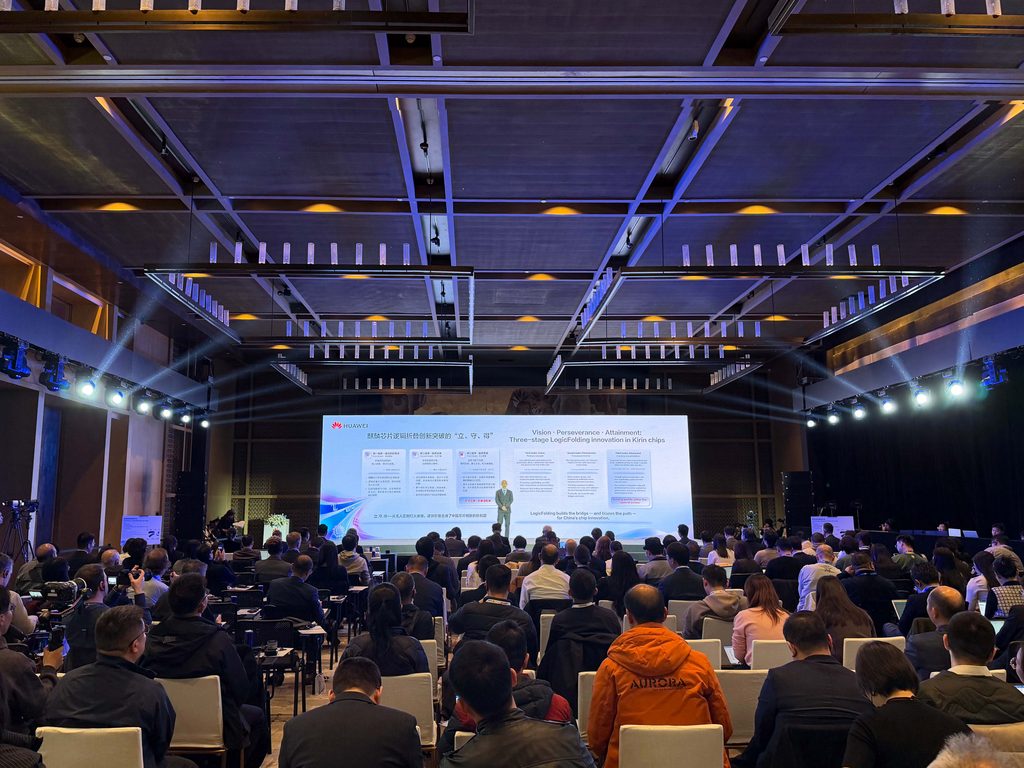
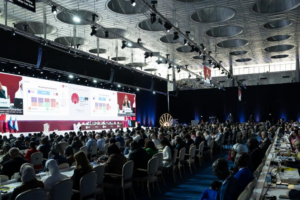
Huawei recently held its seventh Innovation and Intellectual Property (IP) Forum in Beijing under the theme “Invent to Excel, Open to Empower”. Teletimes International attended a media roundtable at Huawei’s Middle East office featuring live coverage of the forum.
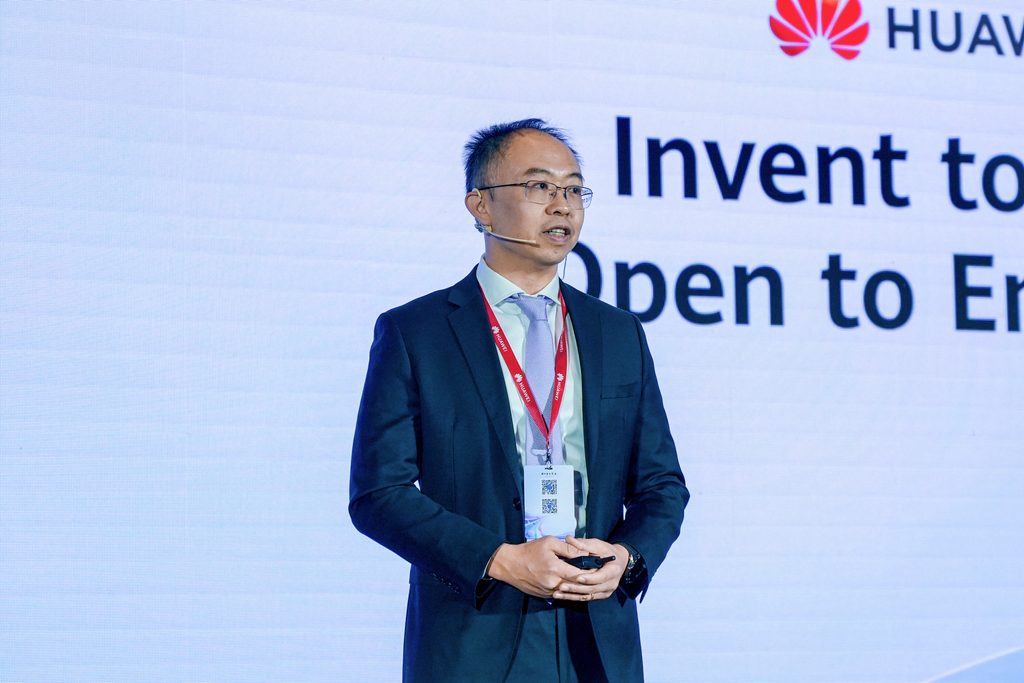
The event brought together global experts, including Alan Fan, Huawei’s Chief Intellectual Property Officer; Francis Gurry, former Director General of the World Intellectual Property Organization (WIPO); and representatives from academia, technology companies and international patent licensing organisations.
Beyond showcasing technological breakthroughs, the forum offered an insight into the philosophy that has shaped Huawei’s growth: a long-term commitment to research, supported by an intellectual property framework that protects invention while encouraging wider technological adoption.
Alan Fan, Huawei’s Chief Intellectual Property Officer
Innovation as part of Huawei’s DNA
Between 2007 and the end of 2025, Huawei invested more than CNY1.8 trillion in research and development. In 2025 alone, its R&D expenditure reached CNY192.3 billion, representing 21.8% of its annual revenue.
Perhaps more significantly, approximately one-third of Huawei’s annual R&D expenditure is allocated to basic research, without being measured against short-term commercial returns.
The company has established 86 foundational technology laboratories and more than 180 joint innovation laboratories, facilitating collaboration between researchers, academic institutions and industry partners.
The results of these investments are increasingly visible. In 2025, Huawei was granted an average of 11.1 patents every hour. By the end of the year, its global portfolio comprised more than 165,000 active granted patents, over 90% of which were invention patents.
This reflects a corporate culture that views innovation not simply as a commercial necessity but as a long-term institutional commitment.
Innovation as a catalyst for business growth
Huawei’s evolution demonstrates how investments in fundamental technologies can generate commercial opportunities far beyond their original applications.
On the carrier side, decades of research into wireless communications, optical transmission and network architecture have helped Huawei establish itself as a major contributor to successive generations of telecommunications infrastructure, from conventional mobile networks to 5G-Advanced and emerging 6G technologies.
On the enterprise side, Huawei has extended its expertise in connectivity, networking and computing into artificial intelligence, cloud infrastructure, data storage and industrial digitalisation.
Meanwhile, on the consumer side, innovations in semiconductor design, imaging, wireless connectivity and software have supported the development of sophisticated devices and an increasingly interconnected ecosystem centred around HarmonyOS.
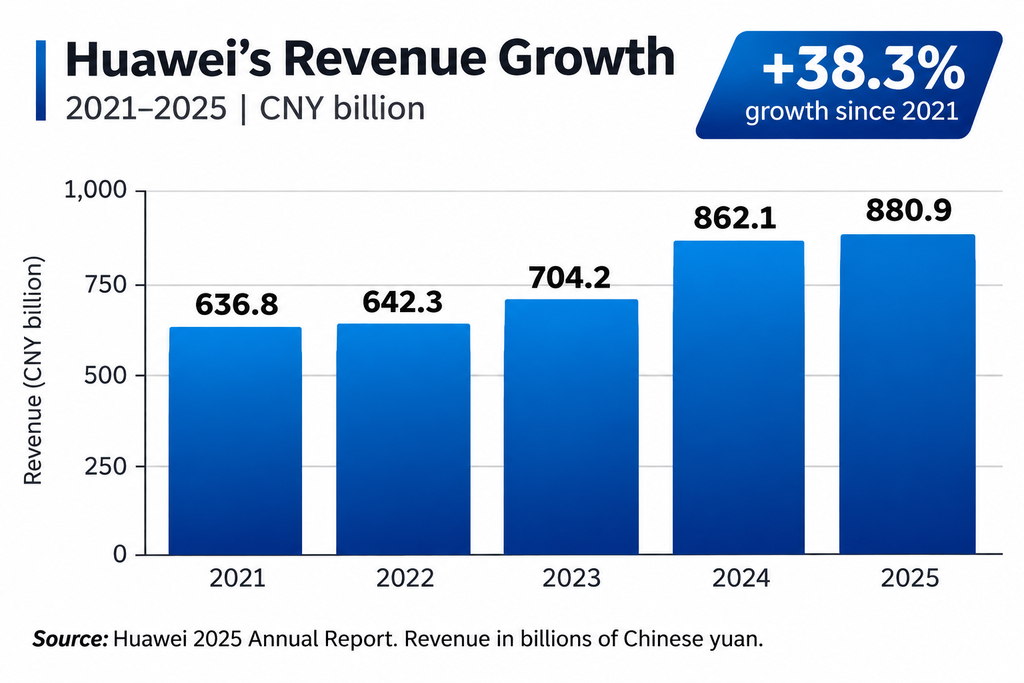
The company’s ability to leverage technological advancements across multiple business divisions has become a significant competitive advantage. Huawei’s annual revenue increased from CNY636.8 billion in 2021 to CNY880.9 billion in 2025, illustrating its commercial resilience and diversification.
Building the foundations of the AI era
The inventor stories presented during the Beijing forum demonstrated how years of fundamental research can culminate in breakthroughs across technological disciplines.
One particularly interesting example was the Kirin 9050 Pro chipset, guided by Huawei’s Tau Scaling Law, which shifts the emphasis from conventional geometric scaling towards reducing information transmission time.
Huawei’s Tau Scaling Law represents a potentially significant shift in semiconductor innovation. While Moore’s Law has traditionally driven progress through the miniaturisation of transistors, Tau Scaling focuses on reducing signal transmission time to improve computing performance. Through innovations in three-dimensional chip architecture, heterogeneous integration, vertical power delivery and advanced packaging,
Huawei is exploring alternative pathways to semiconductor advancement as conventional geometric scaling becomes increasingly challenging. Beyond enhancing its consumer devices, these developments could have far-reaching implications for AI computing, telecommunications infrastructure and high-performance computing. They also reflect China’s growing capabilities in fundamental semiconductor research and architectural innovation, demonstrating that future progress in the semiconductor industry may depend as much on rethinking chip design as on reducing transistor size.
Drawing inspiration from traditional Chinese architecture, particularly the Yellow Crane Tower, Huawei has pursued three-dimensional chip integration through its LogicFolding technology.
Another breakthrough, UnifiedBus, seeks to enable vast numbers of processors to operate collectively through an open interconnection protocol spanning computing, storage and networking. Its development brought together expertise in semiconductor design, telecommunications and software engineering.
Similarly, Huawei’s Hi-ONE near-packaged optics engine, which addresses interconnection bottlenecks in large-scale AI computing systems, draws upon more than 25 years of foundational optical research.
These innovations demonstrate how Huawei’s accumulated expertise in telecommunications is now helping create new opportunities in semiconductors and artificial intelligence.
Intellectual property: Protecting innovation while empowering industries
A central message emerging from the forum was that intellectual property protection and open innovation are complementary rather than contradictory objectives.
Over the past two decades, Huawei has signed more than 260 patent licensing agreements with major ICT companies internationally. A total of 55 Fortune Global 500 companies have paid patent licensing fees to Huawei.
The cumulative contract value of its patent licensing agreements has reached US6.9billion,withlicensingrevenueamountingtoUS800 million in 2025.
The global adoption of Huawei’s patented technologies is equally significant. By the end of 2025:
More than 3.2 billion 5G devices had used Huawei’s patented cellular technologies.
More than 1.6 billion consumer electronic devices, excluding mobile phones, had used its patented Wi-Fi technologies.
More than 4.1 billion multimedia devices, excluding mobile phones, had used its patented video codec technologies.
Huawei’s commitment to fair, reasonable and non-discriminatory (FRAND) licensing also reflects its emphasis on transparency and predictability.
In June 2026, Huawei announced a royalty rate of US$0.50 per unit for consumer-grade Wi-Fi 7 products, maintaining the same rate as Wi-Fi 6 despite significant technological advancements.
Through such initiatives and its participation in international patent pools, Huawei is extending the impact of its innovations well beyond its own commercial ecosystem.
China and Huawei: A mutually reinforcing innovation ecosystem
Huawei’s technological journey cannot be viewed in isolation from China’s broader economic and technological transformation.
Over the past three decades, China has progressively evolved from a global manufacturing centre into a major hub of scientific research, technological invention and advanced engineering.
Investments in education, research infrastructure and intellectual property protection, alongside mechanisms such as voluntary patent open licensing, have helped create an environment conducive to technological innovation.
Huawei’s philosophy of protecting inventions while encouraging their wider application aligns with this broader evolution.
However, the relationship works both ways. While Huawei has benefited from China’s expanding innovation ecosystem, its own achievements have contributed significantly to the country’s international technological standing.
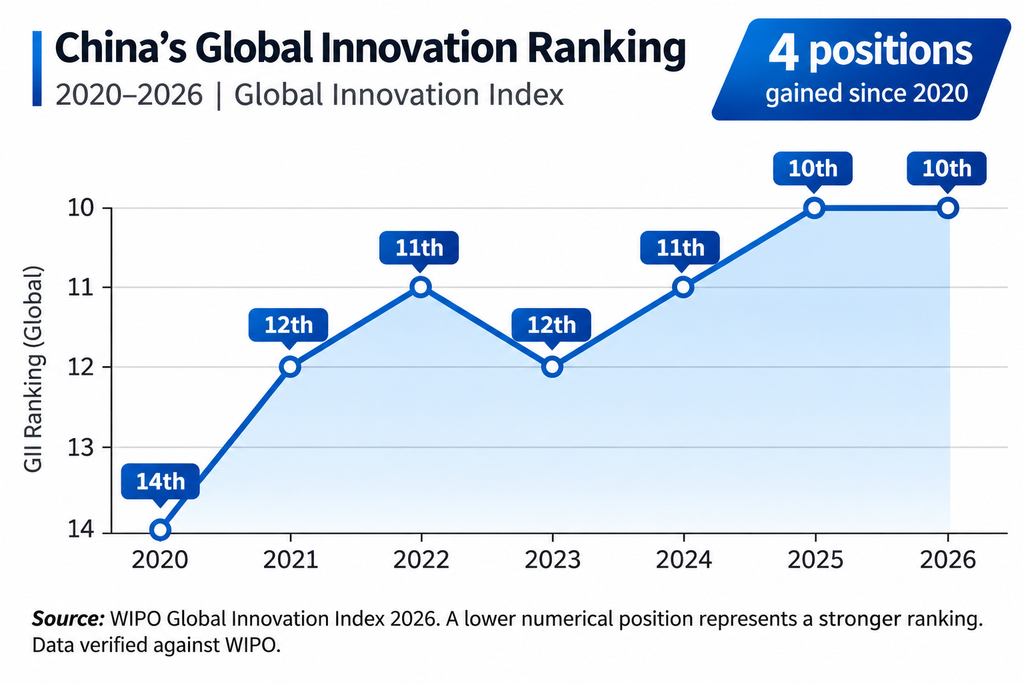
China entered the top ten of WIPO’s Global Innovation Index in 2025, while Huawei has remained the world’s leading international patent applicant under the Patent Cooperation Treaty for nine consecutive years.
With substantial patent portfolios across China, the United States and Europe, Huawei has become one of the most prominent corporate contributors to China’s emergence as a global innovation centre.
Innovation beyond boundaries
Huawei’s seventh Innovation and IP Forum reinforced the importance of sustained research, intellectual property protection and international collaboration at a time when technological fragmentation remains a global concern.
For emerging digital economies, particularly across the Middle East and Africa, access to advanced technologies through common standards and predictable licensing frameworks can help accelerate digital transformation while encouraging indigenous innovation.
Ultimately, the true measure of technological leadership is not simply the number of patents a company holds or the products it sells, but the extent to which its inventions enable others to innovate.
For Huawei, the ambition increasingly extends beyond developing the technologies of tomorrow towards building the foundations upon which tomorrow’s industries will evolve.