


Building on more than five decades of engagement with the International Telecommunication Union, the United Arab Emirates continues to advance digital innovation, regulatory excellence and international cooperation.
As digital technologies transform economies and societies, advanced telecommunications infrastructure, artificial intelligence and internationally harmonised standards are becoming essential foundations of sustainable development. The United Arab Emirates (UAE) has positioned itself at the forefront of this transformation, combining ambitious national digital strategies with active participation in global telecommunications governance.
The UAE’s engagement with the International Telecommunication Union (ITU) dates back to 1972. Since joining the ITU Council in 2006, the country has contributed to international discussions on connectivity, spectrum management, digital development and technical standardisation, reflecting its commitment to a connected and inclusive digital future.
Building a Digitally Advanced Nation
Digital transformation has been central to the UAE’s vision of developing a diversified, knowledge-based economy. Sustained investment in fibre-optic infrastructure, high-speed connectivity and 5G networks has established a foundation for emerging applications in smart cities, intelligent transportation, industrial automation and the Internet of Things (IoT).
Alongside telecommunications infrastructure, the UAE has made significant advances in digital government. Initiatives such as UAE Pass, the national digital identity platform, have simplified access to public and private services through secure authentication, electronic signatures and integrated digital transactions.
Artificial intelligence is another cornerstone of the country’s digital ambitions. The UAE has pursued AI adoption across government services and economic sectors while investing in digital skills, innovation and the development of an enabling technological ecosystem.
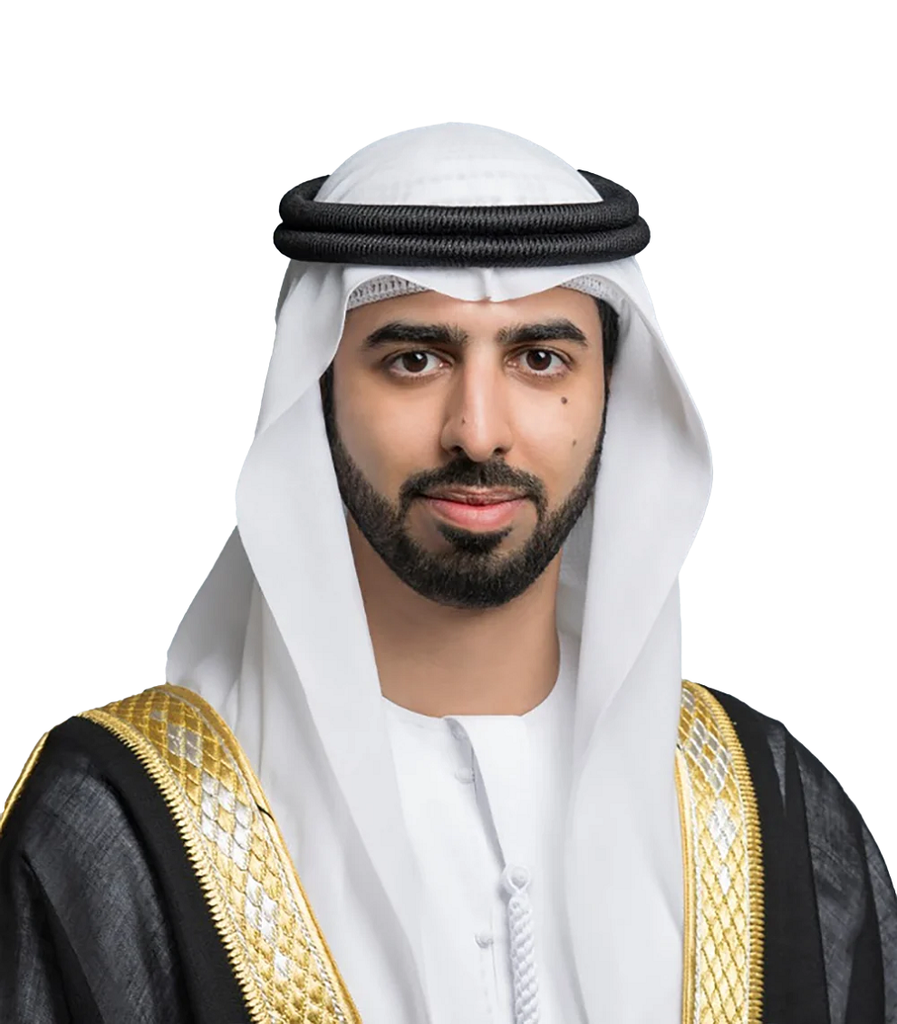
Highlighting the importance of AI in shaping the country’s future, H.E. Omar Sultan Al Olama, UAE Minister of State for Artificial Intelligence, stated: “For us, deploying AI is not merely about boosting productivity or savings. If it affects human life and livelihood, then it is a red line.” (Emirates News Agency, WAM)
His remarks underline the importance of responsible technological development, an increasingly significant consideration as governments worldwide seek to harness AI while ensuring public trust and accountability.
Regulatory Leadership and Digital Innovation
The UAE’s digital progress has been supported by an evolving regulatory framework designed to encourage investment, promote innovation and ensure secure, reliable telecommunications services.
The Telecommunications and Digital Government Regulatory Authority (TDRA) plays a central role in this ecosystem, overseeing telecommunications regulation, spectrum management, licensing, technical standards and consumer protection.
As technologies such as 5G, satellite communications, cloud computing and AI reshape the sector, the UAE continues to adapt its regulatory approaches to emerging opportunities and challenges.
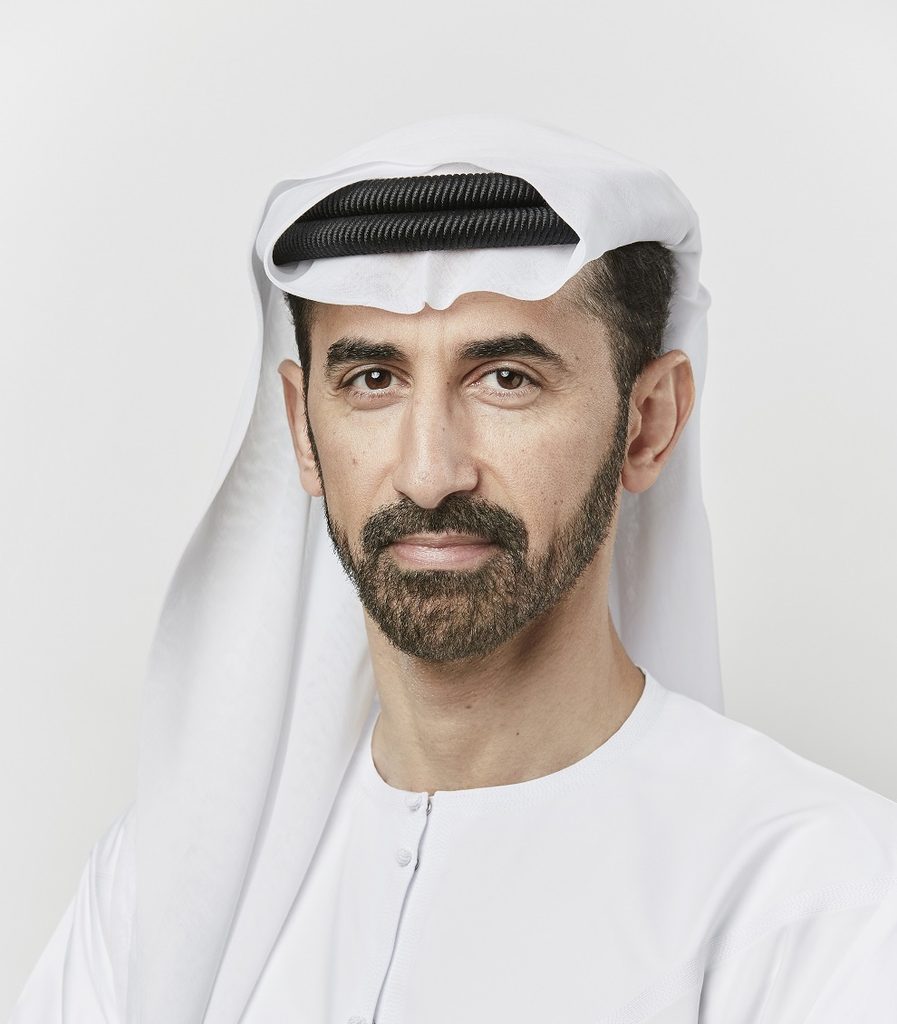
Emphasising the importance of collaboration, H.E. Eng. Majed Sultan Al Mesmar, Director General of TDRA, stated: “Digital technologies are constantly evolving, and in order to keep pace with them, we must have a high degree of innovation and cooperation at all levels.”(TDRA Official Media)
This approach has helped the UAE develop a regulatory environment that supports technological advancement while contributing practical experience to international discussions on digital governance and regulatory best practices.
Advancing International Standards Through the ITU
Beyond its national achievements, the UAE has contributed to international telecommunications standardisation through its participation in the ITU’s technical and development activities.
International standards are fundamental to ensuring interoperability between networks, devices and digital services. They support global connectivity, reduce technological fragmentation and enable the wider adoption of emerging technologies.
The UAE’s involvement in ITU-T Study Group 20, focusing on the Internet of Things and Smart Cities, is particularly significant. Through its leadership and technical participation, the country has contributed to discussions on connected infrastructure, smart urban environments and interoperable digital systems.
The UAE also participates in activities across the ITU’s three sectors: Radiocommunication (ITU-R), Telecommunication Standardization (ITU-T) and Telecommunication Development (ITU-D).
Its experience in advanced connectivity, digital government and emerging technologies provides a practical foundation for contributing to international standards and policy discussions.
Shaping the Next Generation of Connectivity
The future of global telecommunications will increasingly be defined by artificial intelligence, 6G, non-terrestrial networks, satellite connectivity and intelligent digital infrastructure. These technologies offer considerable opportunities but also require international coordination on security, interoperability, sustainability and equitable access.
The UAE’s continued engagement with the ITU provides an important platform for addressing these priorities. Its contributions can support the development of internationally recognised standards, knowledge sharing, digital capacity building and the expansion of meaningful connectivity, particularly in developing economies.
As digital transformation accelerates, the importance of cooperation between governments, regulators, industry and international organisations will only grow.
For the UAE, digital development represents both a national priority and an opportunity to contribute to global progress. By combining technological ambition, regulatory experience and longstanding international engagement, the country continues to play an active role in shaping a more connected, innovative and inclusive digital future.